No products added!
July 11, 2024
Updated Interpretations of Western Fashion
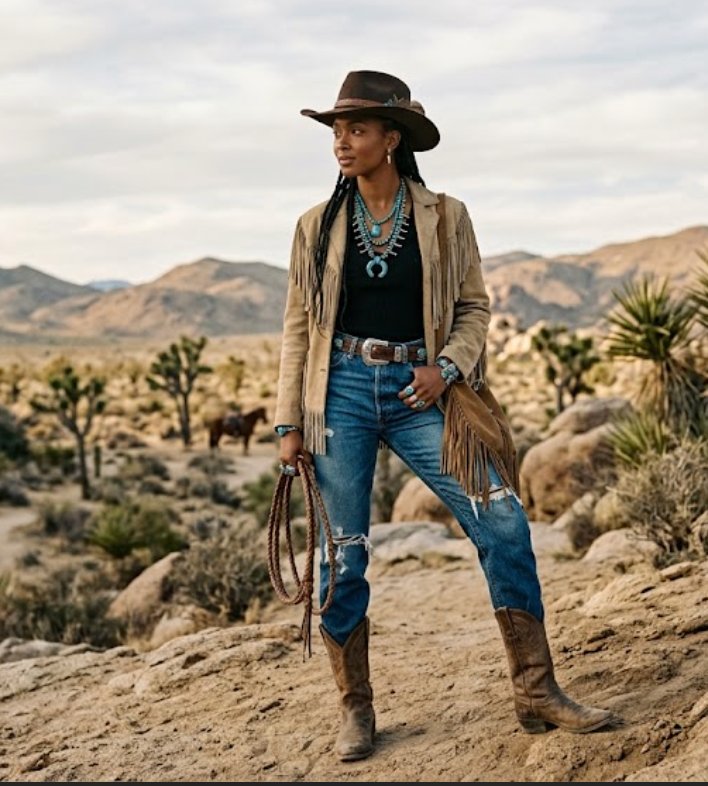
Western fashion has transcended its utilitarian roots. The days when "Western wear" strictly meant rigid denim, standard brown leather, and ten-gallon hats are behind us. Today’s updated interpretations of Western fashion blend the rugged, independent spirit of the frontier with elevated, modern design.
As the aesthetic has evolved, the way we use color has completely transformed. You don't need a color wheel to build a stunning palette; modern styling is about intuition, texture, and storytelling. Whether you are designing a collection or curating a wardrobe, here is how to master the organic color palettes defining the new Western frontier.
The Evolution of the Western Trend
The modern Western trend—often dubbed "Coastal Cowgirl" or "Elevated Western"—is defined by its versatility. It is no longer a costume; it is a blend of traditional silhouettes with unexpected textures, global influences, and sustainable craftsmanship.
Historically, Western palettes were heavily reliant on sepia tones—varying shades of tan, rust, and brown layered over indigo denim. Today, creating a cohesive palette is about looking beyond the saddle and drawing inspiration from the broader landscape, the materials, and cross-cultural artistry.
1. Draw from the Landscape
The most foolproof way to match colors intuitively is to look at where they exist in nature. The modern Western palette pulls directly from the environment:
- The Desert Dusk: Blending dusty sage greens, muted mustard, and soft sunset pinks creates a romantic, feminine take on frontier style.
- The Canyon Earth: Deep rusts, warm ochre, and sun-baked clay tones naturally complement each other because they share the same earthy foundation.
- The Night Sky: Deep indigos, charcoal, and twilight blues offer a moody, sophisticated alternative to traditional black
When you match colors that naturally occur together in a landscape, the palette automatically feels harmonious and grounded.
2. Let Texture Guide the Color
In modern Western fashion, the material is just as important as the hue. Color behaves differently depending on the texture it lives on, and mixing these textures creates a rich, layered palette.A standard brown might feel flat on cotton, but when translated into a brushed suede or a rich, fired clay, it gains incredible depth. A crisp, cool-toned chambray shirt serves as the perfect blank canvas for warm, earthy accessories. The contrast isn't just in the color; it is in the juxtaposition of raw, rugged fabrics with refined, artisanal finishes.
A standard brown might feel flat on cotton, but when translated into a brushed suede or a rich, fired clay, it gains incredible depth. A crisp, cool-toned chambray shirt serves as the perfect blank canvas for warm, earthy accessories. The contrast isn't just in the color; it is in the juxtaposition of raw, rugged fabrics with refined, artisanal finishes.
3. The Global Crossover
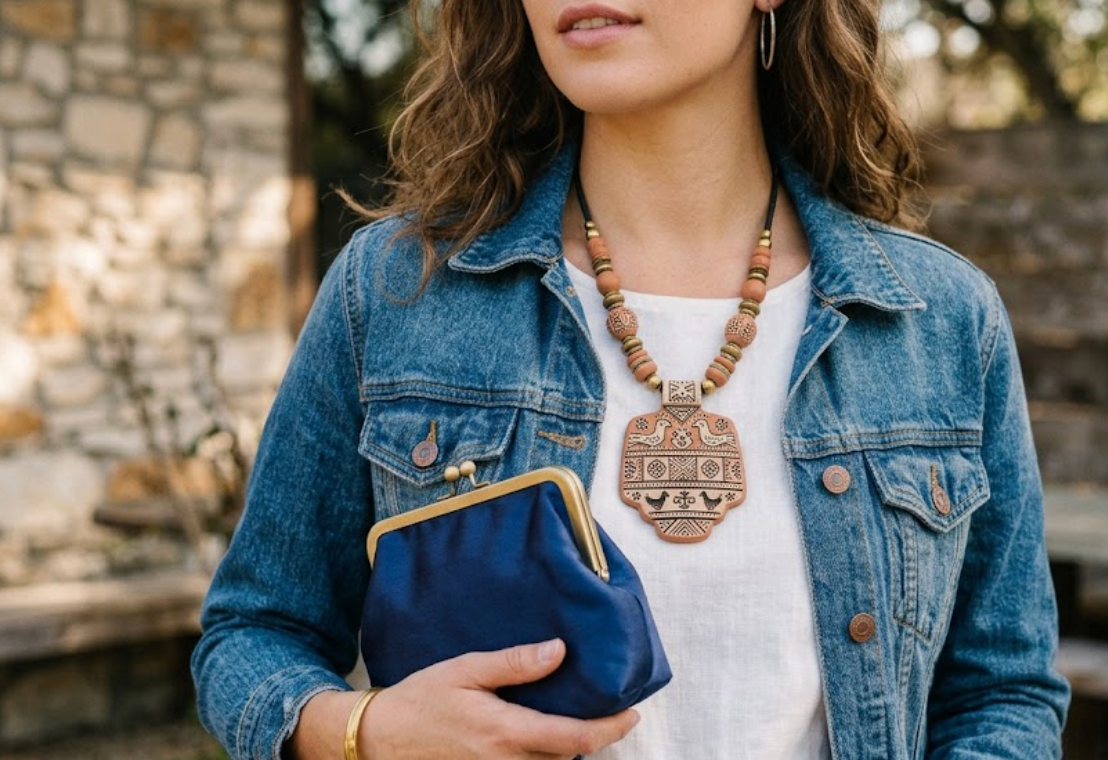
The most exciting update to Western fashion is the integration of global influences. The traditional uniform relied heavily on turquoise and stamped silver for its pop of color. The modern interpretation invites a much wider world of artisanal craftsmanship.Deep jewel tones and rich metallics seamlessly elevate a rustic outfit. Imagine the warmth of a handcrafted terracotta necklace featuring intricate temple or peacock motifs resting against a classic denim jacket. For an evening look, swapping a traditional leather crossbody for a hand-embroidered, reversible silk clutch finished with traditional brocade and brass hardware introduces vibrant, unexpected colors that instantly modernize the Western aesthetic.
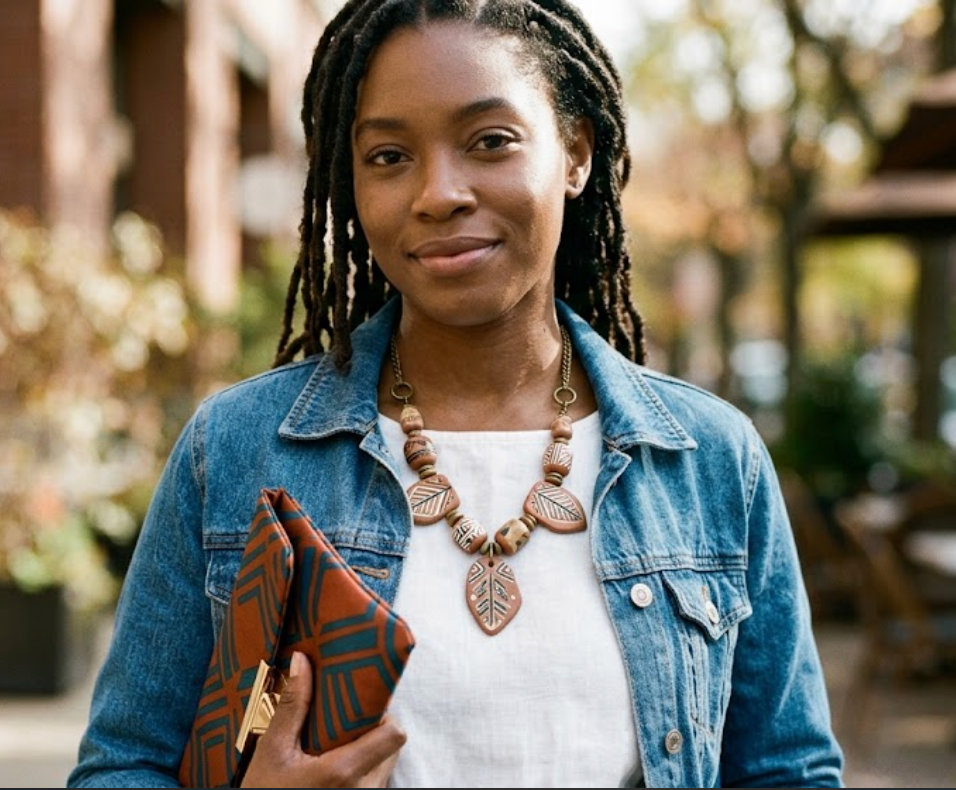
The updated interpretation of Western fashion is all about breaking old rules while respecting the heritage of the style. By letting nature dictate your hues and focusing on the beautiful contrast of different textures and artisanal materials, you can build striking, intuitive color palettes that feel effortlessly modern.
The 60-30-10 Rule for Intuitive Styling
Even without a color wheel, the 60-30-10 rule remains a stylist's best friend for keeping an outfit visually balanced:
- 60% The Foundation: Your core neutral or base fabric. This is typically your denim, a sweeping prairie dress, or a neutral leather jacket. It sets the stage.
- 30% The Supporting Act: A secondary tone or texture that adds depth. Think of a patterned silk scarf, a tailored flannel, or contrasting boots.
- 10% The Statement: The focal point. This is where your boldest colors, intricate handcrafted jewelry, and statement accessories come into play.